
Why Exhibition Stands Fail to Attract Visitors (And How to Fix It) | Pure Magic Events
Why Some Exhibition Stands Stay Busy All Day While Others Stay Empty
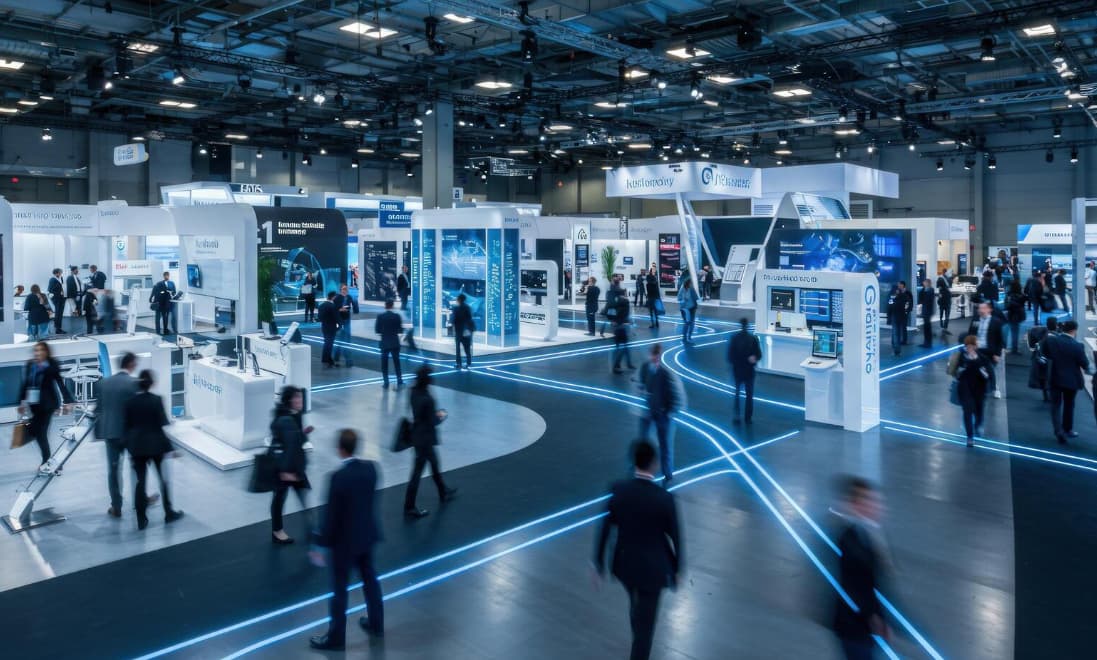
Walk through any major exhibition in Dubai, and you’ll notice something interesting. Certain stands seem to attract a constant flow of visitors from the moment the doors open. Conversations are happening. Demonstrations are running. People stop, engage, and spend time exploring what the brand has to offer.
A few metres away, another stand of similar size and budget may struggle to attract attention throughout the day.
Most exhibitors assume the difference comes down to location or brand recognition. In reality, that’s rarely the full story.
After years of delivering exhibition and event production projects across the UAE, we’ve noticed that the busiest stands often have something else in common. They have been designed around visitor behaviour rather than simply visual appearance.
That distinction can have a significant impact on exhibition results.
The Problem Isn’t Visibility. It’s Curiosity.
Many exhibitors approach stand planning with a simple objective: get noticed. While visibility is important, it only solves the first part of the challenge. Visitors notice hundreds of things during an exhibition. The real question is what makes them stop.
A large LED wall may catch someone’s eye for a few seconds. Impressive branding may help visitors identify a company. Creative stand architecture may generate initial interest.
But none of those things automatically create engagement. The stands that remain busy throughout the day are usually designed to answer a visitor’s unspoken question:
“What’s in this for me?” The moment a visitor sees a clear reason to stop, engagement becomes much easier. This is where exhibition production becomes more strategic than many people realise.
Most Exhibition Visitors Make Decisions Faster Than You Think
Exhibitors often spend months preparing for a trade show. Visitors, on the other hand, make decisions within seconds.
As people walk through exhibition halls, they continuously evaluate where to spend their time. They scan branding, displays, lighting, movement, and crowd activity without consciously thinking about it. Within moments, they decide whether a stand deserves further attention. This is why production decisions matter. Elements such as screen placement, lighting angles, product positioning, demonstration areas, and visitor flow all influence those first impressions. A stand doesn’t need to be the biggest on the floor. It needs to make visitors curious enough to take the next step.
The Most Expensive Mistake Exhibitors Make
One of the most common mistakes we see is treating exhibition production as a series of separate purchases. A stand builder is hired.
An AV supplier is appointed. A branding company produces graphics. A content team is brought in shortly before the event. Each supplier may do excellent work individually.
The problem is that nobody is designing the complete visitor experience. As a result, exhibitors often end up with beautiful stands that don’t foster conversation, impressive screens displaying forgettable content, or product demonstrations hidden in areas with little foot traffic. Exhibition success rarely comes from individual elements performing well.
It comes from those elements working together.
The Role of Production in Visitor Engagement
The word “production” is often associated with technical equipment.
Lighting systems, Audio systems, LED screens, Stage structures.
While these are important components, production is really about shaping the environment in which interactions take place. Think about the exhibitions you’ve attended yourself.
You probably don’t remember every stand. You remember experiences.
You remember the stand where a product demonstration caught your attention. You remember the brand that explained a complex solution clearly. You remember the space that felt energetic and welcoming. Good production creates those moments intentionally.
Every technical decision should support a business objective. Lighting directs attention. Content creates understanding. Technology encourages participation. Design facilitates conversation.
Together, they influence how visitors experience a brand.
Why Exhibitions Have Become More Demanding
The exhibition landscape has changed dramatically over the last decade. Visitors are exposed to more content than ever before.
They arrive with higher expectations. They are accustomed to interactive digital experiences and instant access to information.
As a result, static exhibition stands often struggle to generate the same level of engagement they once did. This doesn’t mean every exhibitor needs a massive budget.
It means exhibitors need a clearer strategy. Today’s visitors respond to experiences that are relevant, useful, and easy to engage with. That might be a live demonstration. It could be an interactive display. Sometimes it’s simply a stand layout that makes conversations feel natural rather than intimidating. The objective isn’t complexity. It is engagement.
Why Smart Exhibitors Think Beyond The Exhibition Floor
One of the biggest shifts we’ve seen among successful exhibitors is how they define return on investment. Traditionally, exhibition performance was measured by the number of leads collected during the event. While lead generation remains important, many businesses now recognise that exhibitions create value in several different ways.
A single exhibition can produce sales opportunities, customer interviews, video content, product demonstrations, social media assets, media exposure, and valuable market insights.
When approached strategically, the event continues delivering value long after the exhibition hall closes. This is another reason professional event production matters.
The exhibition itself is only one part of the opportunity. The content, relationships, and visibility generated around the event often contribute just as much value.
What Successful Exhibitors Do Differently
The busiest stands rarely succeed by accident. Behind the scenes, significant thought has gone into understanding the audience, planning visitor interactions, and creating an environment that supports engagement. Production decisions are made with business objectives in mind. Design serves a purpose beyond aesthetics, & technology supports communication rather than distracting from it. Most importantly, the entire exhibition experience is planned as a unified project rather than a collection of separate tasks.
That approach consistently delivers stronger results than focusing solely on stand construction.
Looking Beyond Square Metres and Specifications
When evaluating exhibition investment, many companies focus on stand size, equipment lists, and production costs.
Those factors certainly matter. However, the more important question is often how effectively the environment supports meaningful conversations.
The most successful exhibition spaces are not always the largest or most expensive. They are the ones who make it easier for visitors to engage with a brand, understand its value, and start productive discussions. That is ultimately what exhibition production should achieve. Not simply building a stand, but creating the conditions for business opportunities to happen.
For companies exhibiting in Dubai’s increasingly competitive events market, that distinction can make all the difference between participating in an exhibition and making the most of it.
Get in touch with the team to talk through your exhibition plans.

Leave a Comment