
How to Plan a Corporate Award Ceremony in Dubai
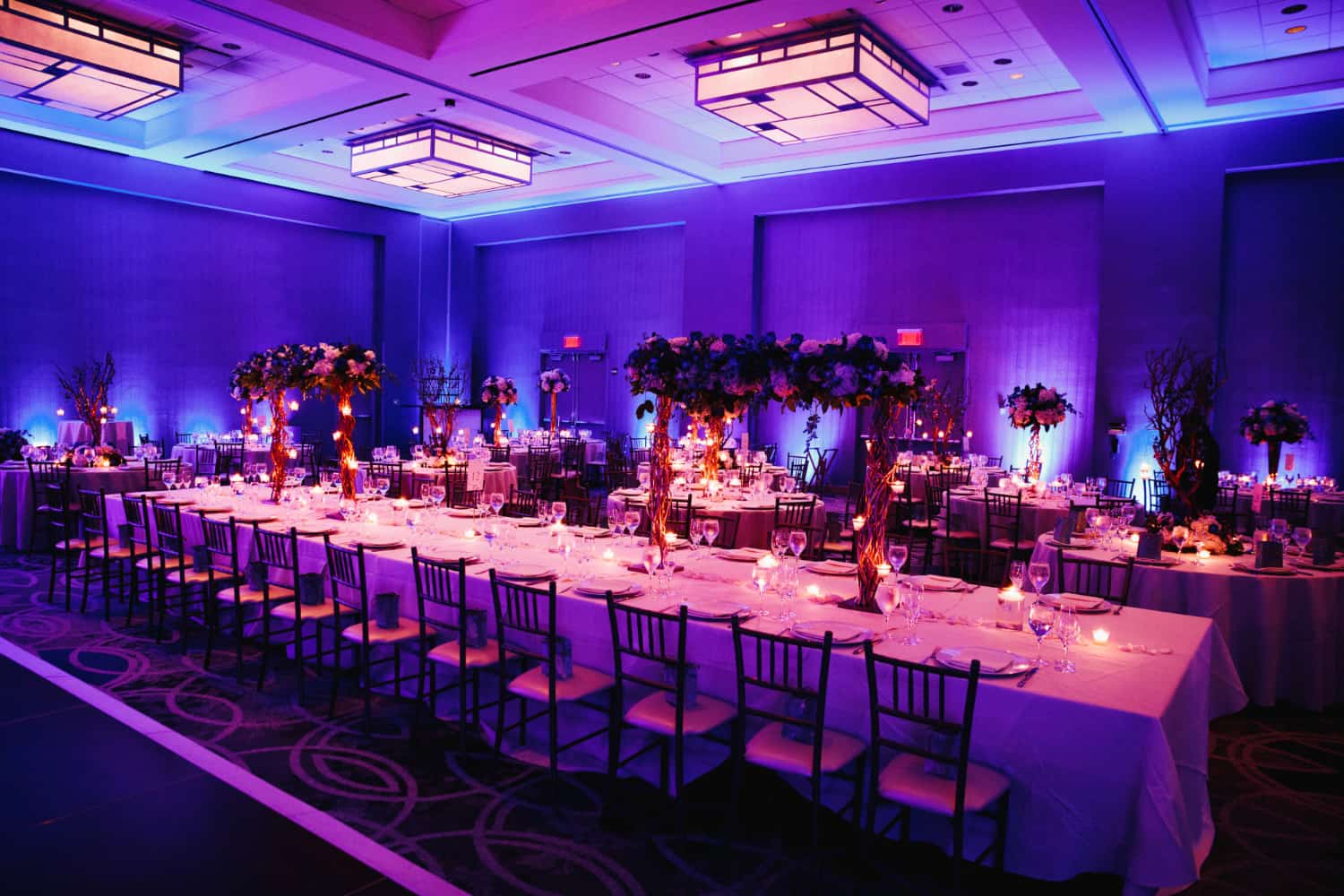
How to Plan a Corporate Award Ceremony in Dubai: A Step-by-Step Guide
Running a corporate award ceremony well is harder than it looks. The guest of honour who flew in from London, the employee who has worked long hours for three years waiting to hear their name called, the CEO presenting on stage for the first time. Every one of them has a different stake in the evening, and the event has to deliver for all of them simultaneously. That is what makes award ceremonies one of the more demanding events to produce well, and one of the most meaningful when they do. This guide covers the decisions that matter, in the order they should be made.
Define Your Award Categories Before You Do Anything Else
Most companies approach award ceremony planning in the wrong order. They book the venue, select the catering, and then work backwards into categories. The award categories should be the first decision because they drive everything else: how long the programme runs, how many presenters you need on stage, how many trophies need to be produced, and how the evening flows from start to finish.
Be specific about who the awards are for and what behaviour they are recognising. Categories that are vague, such as Best Performer or Star of the Year, produce vague results and underwhelmed audiences. Categories tied to measurable outcomes or specific contributions, communicated to employees well in advance, build genuine anticipation and make the recognition feel earned when the moment arrives.
A practical rule from production experience: each award category, including the build-up video or announcement, the walk to the stage, the presentation, and a brief acknowledgment from the winner, takes between eight and twelve minutes on stage. Count your categories, multiply by ten minutes, add opening and closing segments, and you have a reliable programme length estimate before you brief a single supplier.
Set Up the Nomination and Judging Process Properly
The credibility of an award ceremony depends on how nominations and judging are handled before the event night. If employees believe the results were decided before nominations opened, the ceremony loses its meaning regardless of how polished the production is.
A blind judging panel with a clear scoring rubric, even for internal staff awards, makes the outcome feel fair. Criteria should be shared publicly before nominations open. Nominees should know they are on the shortlist before the event. Surprise announcements work in theory but frequently produce awkward reactions on stage rather than genuine emotion, because the person has not had a moment to process the news before walking up in front of 300 colleagues.
Communicate the timeline to employees six to eight weeks before the event. The process itself, when it is transparent and well-run, builds engagement with the ceremony before anyone has set foot in the venue.
What an Award Ceremony Needs From a Venue in Dubai
An award ceremony has different technical requirements compared to a conference or gala dinner, and these need to be confirmed at the venue shortlisting stage rather than after a contract is signed.
The stage needs to be wide enough for a presenter and a recipient to stand together with space between them. A clear, unobstructed walk-on path from the audience to the stage is essential. Most experienced production teams prefer a side entry rather than a walk through the centre of tables, because it creates a cleaner visual and removes the awkwardness of navigating around chairs and handbags in front of the room.
For rooms with more than 150 attendees, IMAG screens showing a live camera feed of the stage are not optional. Without them, guests seated beyond the first few rows cannot see the recipient’s face during the presentation moment. That moment is the entire reason the ceremony exists.
| A note on in-house AV at hotel venues:
Many Dubai hotel venues offer in-house AV as part of the room package. In most cases, this covers basic sound and projection. It does not typically include a dedicated lighting cue for the award moment, a follow spotlight, IMAG cameras, or a live production desk with a trained operator managing cues in real time. Confirm exactly what is included before assuming the package covers your production requirements. |
Structure the Programme to Keep Energy Through the Evening
Programme structure is where most award ceremonies lose their audience. The common mistake is placing all the significant awards in the final third of the evening, which means the first hour and a half feels like a slow build. By the time the major recognition moments arrive, sections of the audience have disengaged.
Distribute significant awards throughout the evening. Open with a category that generates immediate energy and gets the room involved early. Anchor the middle of the programme with team-based or company-wide recognition. Save one high-profile award for the close, but do not hold everything back until then.
The MC carries the energy between categories and is not a decorative role. Brief them on the company’s culture, the significance of each award, any names or pronunciations to confirm, and what to do if timing runs over. An MC who is performing from a script without that context will not hold the room the way you need them to.
The Production Details That Make the Moment Land
The award presentation moment is what every attendee will remember. It is also the element most often treated as an afterthought in production planning. The music cue as the winner is announced, the spotlight following the recipient to the stage, the lighting shift in the room, the branded logo or nominee reel on screen, and the sound filling the space are all planned production decisions. None of them happen by accident.
These cues need to be rehearsed in the venue before doors open. If the production team is running award cues live without a run-through of the full programme sequence, the timing will be off. The moments that should feel significant will feel clumsy instead, and the recipients, the people the evening is actually for, will feel it.
How Pure Magic Events Plans Corporate Award Ceremonies in Dubai
Pure Magic Events manages the full lifecycle of corporate award ceremonies in Dubai. This includes helping clients design their award structure and nomination process, full stage production and AV, lighting design with live cue operation, MC sourcing and briefing, and on-the-day coordination from load-in through to close.
We have produced award ceremonies for organisations across Dubai and the wider region, from internal staff recognition events to externally facing industry awards nights. If you are planning a corporate award ceremony in Dubai and want to understand what is involved from a production and logistics standpoint, get in touch and we will walk you through it.
Frequently Asked Questions (FAQs)
1. How far in advance should I start planning a corporate award ceremony in Dubai?
For an award ceremony with 150 or more attendees, a planning timeline of three to four months is realistic. This allows time for venue booking, trophy production, nomination and judging, MC booking, and production planning. Venues in Dubai, particularly hotel ballrooms, fill quickly in Q1 and Q4. Starting with less than six weeks of lead time significantly limits your options and increases cost across most suppliers.
2. What is the difference between a corporate award ceremony and a gala dinner in Dubai?
A gala dinner is centred on the dining and social experience, with entertainment and atmosphere as the main drivers. A corporate award ceremony is centred on recognition, with a formal programme of presentations as the main structure. In practice, many corporate award nights in Dubai combine both formats: a dinner service during or before the awards, followed by or alongside the ceremony. The production requirements for each element differ, and both need to be planned separately within the same event.
3. Do I need a professional MC for a corporate award ceremony in Dubai?
Yes, for any ceremony with a structured programme and more than 80 attendees. An experienced MC manages timing, handles transitions between categories, recovers from the unexpected, and keeps the room engaged throughout. A colleague or internal presenter may feel more personal but typically lacks the live event experience to manage a full programme under pressure. Brief any MC, professional or otherwise, thoroughly on the company, the categories, and the names.
4. How many award categories is the right number for a corporate ceremony in Dubai?
Between eight and twelve categories is the workable range for most corporate ceremonies running two to two and a half hours. Below eight and the evening can feel thin. Above twelve and the audience loses focus, particularly in the second half. Each category takes approximately ten minutes of stage time when you account for the announcement, walk to stage, presentation, and acknowledgment. Category count should be decided before the venue is booked, not after.
5. What production elements are specific to an award ceremony that a standard event AV package will not cover?
A standard hotel AV package typically covers room sound and a screen for presentations. A corporate award ceremony additionally requires a dedicated follow spotlight for the walk to stage, pre-programmed lighting cues for each award moment, a live camera and IMAG feed for rooms over 150 people, a video playback system for nominee reels or winner announcement content, and a trained live operator managing all cues in real time. These elements should be confirmed with your production company before signing a venue contract.
6. Can a corporate award ceremony be recorded or live-streamed in Dubai?
Yes, and both are increasingly common for companies with remote teams across the GCC or internationally. A multi-camera recording requires at least two operators and a video production team separate from the AV team. Live streaming adds a broadcast encoder and stream management to the scope. Both need to be planned in the production brief from the start, not added as an afterthought. Retrospectively adding recording or streaming to a production plan that was not designed for it increases cost and reduces quality.
7. What venues in Dubai are well-suited for a corporate award ceremony?
Hotel ballrooms across the Business Bay, DIFC, and JBR areas are the most commonly used for corporate award ceremonies in Dubai. Properties like the JW Marriott Marquis, Atlantis, and the Jumeirah group offer large ballroom capacity with strong technical infrastructure. For smaller, more intimate ceremonies of 80 to 150 people, private dining rooms at DIFC venues or boutique hotel spaces work well. Venue selection should always start with your production requirements, specifically stage dimensions, ceiling height, rigging access, and load-in logistics, before considering location and aesthetics.

Leave a Comment