
How to Organise an International Conference in Dubai in 2026
How to Organise an International Conference in Dubai in 2026
Dubai handles a large volume of international conferences every year, and the infrastructure supports it well. The airport is genuinely one of the most connected in the world, the venue options are varied, and the city has a working ecosystem of hotels, production companies, and logistics providers that are used to dealing with delegates from multiple countries. But none of that makes the planning process simple. Organising an international conference in Dubai involves decisions that have to be made in the right sequence, with the right people involved from the start. This guide walks through each stage clearly so you know what to prepare for and when.
Step 1: Define the Conference Objectives Before Anything Else
The first thing to get clear on is what the conference is supposed to achieve. This sounds obvious, but it is the step that gets skipped most often, and it affects every decision that follows. A B2B summit designed to generate pipeline for your sales team runs very differently from a thought leadership conference intended to build brand authority in your industry. The format, the speaker lineup, the seating arrangement, and the agenda structure all flow from the business objective.
Define your target audience profile, the number of expected delegates, whether the event is internal or open to external attendees, and what success looks like after the conference ends. Put this in writing before you brief any venue or supplier.
Step 2: Choose the Right Venue for Your Conference Format
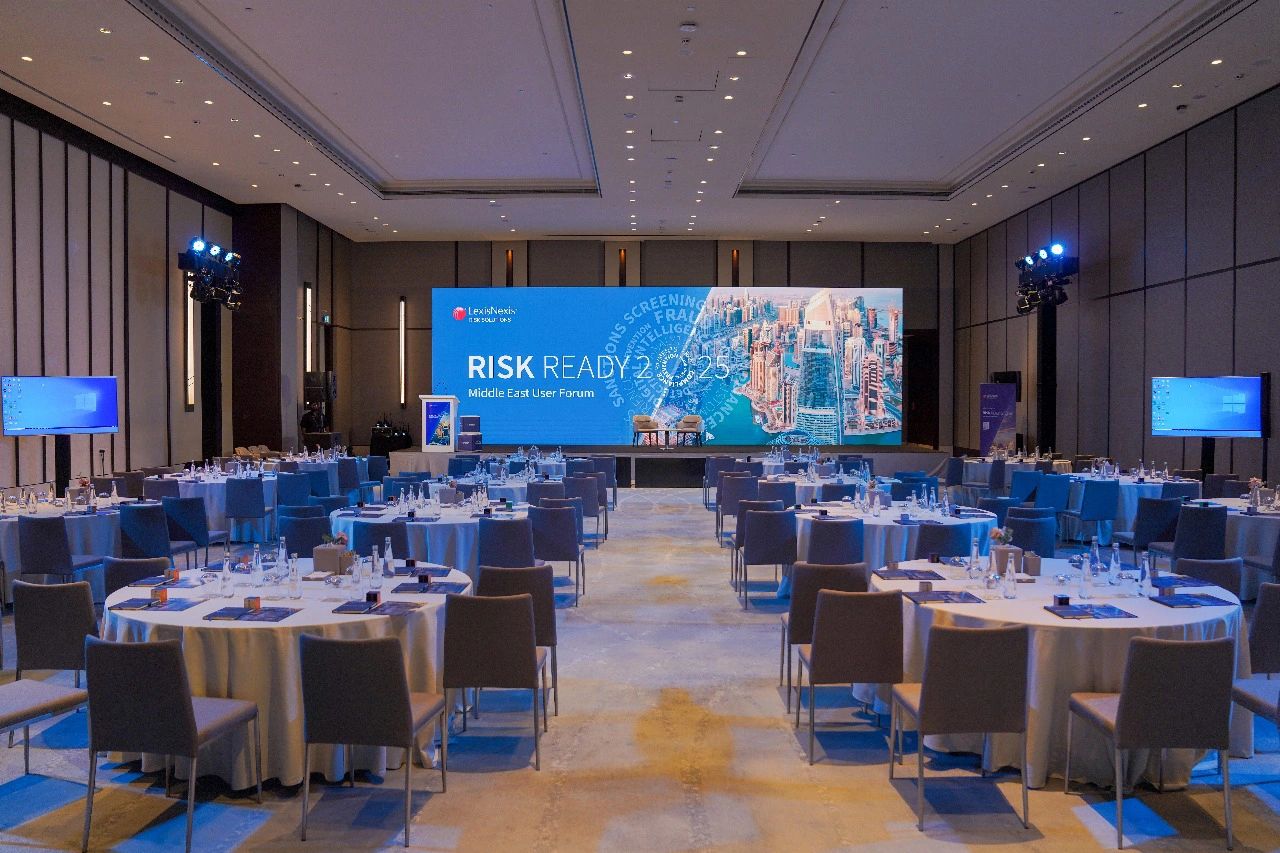
Venue selection is one of the most consequential decisions in the planning process. In Dubai, the options range from large purpose-built convention spaces to hotel ballrooms and DIFC conference facilities. The right choice depends on your delegate count, the technical requirements of your programme, and the atmosphere you want to create.
For large international conferences with 300 or more delegates, the Dubai World Trade Centre is the most established choice. DWTC has over one million square feet of venue space and scheduled 71 events in the first half of 2026 alone, which gives you a reliable sense of the scale and pace it operates at. Hotel conference centres such as those at Atlantis, the Address properties, and the InterContinental Dubai Festival City work well for events between 100 and 400 delegates where accommodation and conference facilities need to be in the same location.
When shortlisting venues, ask specifically about ceiling height and rigging capacity for AV and LED installations, dedicated internet bandwidth and whether it is shared with other events, loading bay access, and production build-in windows, and whether the venue holds the necessary licences for your event type.
Step 3: Understand the Permit Requirements in Dubai
This is the area where international organisers most often run into problems, usually because they underestimate the lead time required. Most conferences in Dubai that involve external attendees require a permit from the Department of Economy and Tourism. Depending on the scale of the event and whether it includes entertainment, additional approvals from Dubai Police or Dubai Civil Defence may also be needed.
Permit applications should be submitted at least 14 to 15 days before the event for straightforward cases. For larger or more complex events, or during peak periods like the first quarter of the year when Dubai’s conference calendar is particularly busy, starting the application process four to six weeks ahead is more realistic.
| Venues such as hotels and the Dubai World Trade Centre often manage parts of the permitting process through their own licences. However, documentation responsibility should sit clearly with your conference organiser in Dubai, not with the venue alone. Clarify this in writing before signing a venue contract. |
Step 4: Plan the Production and Technical Requirements Early
Production planning for an international conference covers the full technical scope of what the audience experiences on the day. This includes the stage design, audio setup, lighting, LED screens, presenter confidence monitors, simultaneous interpretation if required, and whether the conference will be recorded or streamed live.
The mistake most organisers make is treating production as a procurement item that gets sorted after the venue is confirmed. In practice, the production requirements should inform the venue decision. A conference that needs large-format LED walls, live multi-camera recording, and a complex rigging setup has specific technical demands that not every venue can accommodate without additional cost and modification.
Bring your production team into the conversation at the venue shortlisting stage. They will identify technical constraints early, which saves significant time and budget later in the process.
Read more: What Does a Corporate Event Production Company in Dubai Actually Do?
Step 5: Sort Delegate Logistics for International Attendees
For a conference with delegates travelling from outside the UAE, the logistics layer adds meaningful complexity. The visa process is the most time-sensitive element. Delegates from many countries require a UAE visa, and conference organisers are typically expected to provide invitation letters to support visa applications. Build at least three to four weeks into your timeline for visa processing, and communicate this clearly to attendees when registration opens.
Accommodation should be blocked as early as possible, particularly if your conference falls in the October to April peak season when Dubai hotel occupancy is consistently high. Consider whether you need a room block at the conference venue itself, nearby hotels at different price points, and a shuttle arrangement if accommodation is not within walking distance of the venue.
For multi-day conferences, the programme structure outside of the formal sessions also needs attention. Delegates who have travelled internationally expect the schedule to account for networking, informal dinners, and some opportunity to experience the city. These elements are worth planning properly rather than leaving as an afterthought.
Step 6: Work With a Conference Organiser Who Knows Dubai
The difference between a conference that runs well and one that does not often comes down to how familiar the organising team is with the specific environment. Dubai has its own regulatory requirements, seasonal considerations, venue-specific rules, and cultural factors that affect event planning. An experienced conference organiser in Dubai brings practical knowledge of all of these, which reduces both risk and the number of decisions you have to make yourself.
When briefing a conference organiser, be specific about what is in scope. Is the organiser responsible for the full event from delegate registration through to post-event reporting, or are they managing production and logistics while you handle content and speaker management internally? Clear scope boundaries at the briefing stage prevent disputes and gaps in responsibility later.
| Conference Planning Checklist for Dubai
• Define conference objectives and delegate profile before briefing any supplier • Shortlist venues based on technical requirements, not just capacity and location • Start the permit process at least four to six weeks before the event date • Bring the production team into venue discussions before signing a contract • Build three to four weeks into the timeline for international delegate visa processing • Block hotel rooms early, particularly for Q1 and Q4 dates when availability tightens • Confirm scope in writing with your conference organiser before planning begins |
Planning an International Conference in Dubai? We Can Help
Pure Magic Events has been organising conferences and large-scale corporate events across Dubai and the wider region for 20 years. We have worked with international organisations including the United Nations, Fujitsu, UiPath, and AIM Summit, managing everything from full conference production to delegate logistics and venue coordination.
If you are in the early stages of planning an international conference in Dubai, we are happy to walk through the brief with you and give you a clear picture of what is involved.
Contact us to set up a consultation.
Frequently Asked Questions (FAQs)
Do you need a permit to organise a conference in Dubai?
Yes. Most conferences in Dubai that involve external attendees require a permit from the Department of Economy and Tourism. Depending on the event, additional approvals from Dubai Police or Dubai Civil Defence may be needed. Applications should be submitted at least 14 to 15 days before the event. For larger or more complex conferences, starting four to six weeks ahead is advisable. Working with a licensed conference organiser in Dubai is the most reliable way to manage this process.
How long does it take to organise an international conference in Dubai?
For a conference with 200 or more delegates, a planning timeline of three to six months is standard. This allows enough time for venue sourcing, permit applications, production planning, delegate communications, and visa processing for international attendees. Smaller conferences can sometimes be organised in six to eight weeks, but shorter timelines increase cost and reduce the number of venue and supplier options available to you.
What is the best venue for an international conference in Dubai?
The Dubai World Trade Centre is the most established venue for large international conferences, with over one million square feet of event space and strong technical infrastructure. For mid-sized conferences between 100 and 400 delegates, hotel conference centres at properties like Atlantis, InterContinental Dubai Festival City, and the Address hotels offer good facilities with integrated accommodation. The right venue depends on your delegate count, technical requirements, and budget.
Do international delegates need a visa to attend a conference in Dubai?
Many nationalities require a UAE visa to attend events in Dubai. Conference organisers typically provide invitation letters to support delegate visa applications. Build at least three to four weeks into your timeline for visa processing and communicate this requirement clearly when registration opens. Some nationalities are eligible for visa on arrival or e-visa, so it is worth providing delegates with country-specific guidance rather than a single blanket instruction.
How much does it cost to organise a conference in Dubai?
Conference costs in Dubai vary significantly depending on delegate numbers, venue format, production scope, and catering requirements. A corporate conference at a hotel venue for 150 delegates is budgeted very differently from a multi-day summit at the Dubai World Trade Centre for 800 attendees. Rather than quoting a number without context, we recommend putting together a brief and getting a tailored estimate from a conference organiser who can cost it accurately against your specific requirements.
What is the best time of year to host an international conference in Dubai?
October through April is the most popular period for conferences in Dubai due to the cooler weather, which makes the city more comfortable for international delegates and allows outdoor elements to be incorporated into the programme. March, in particular, is a busy month with multiple major industry events running in parallel, so early venue booking is important. July and August are significantly quieter, which can offer better venue availability and pricing but fewer side events for delegates to attend.
What does a conference organiser in Dubai actually manage?
A full-service conference organiser in Dubai typically covers venue sourcing and contract negotiation, permit applications, production and AV management, delegate registration and communications, speaker logistics, catering coordination, and on-site event management. Some organisers also handle post-event reporting and delegate feedback. Scope varies by company, so confirm in writing what is and is not included before planning begins.

Leave a Comment